Cervical Cancer
Cervical cancer is cancer in the cervix, or where the uterus and vagina connect.
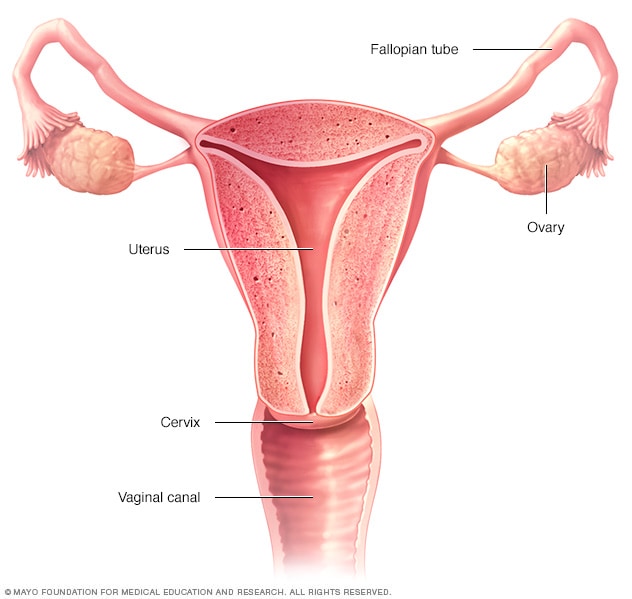
Cervical cancer screening tests cells in the cervix to see if they are cancerous. This helps catch cancer when it is still early — when it is more treatable. This test is called a Pap test (Pap smear).
Your doctor may also recommend an HPV test, which tests the cervix for human papilloma virus (HPV). HPV is a virus that can cause cervical cancer. The HPV test can be done at the same time as a Pap test or separately.
If you are nervous about getting your Pap test, this video might help.
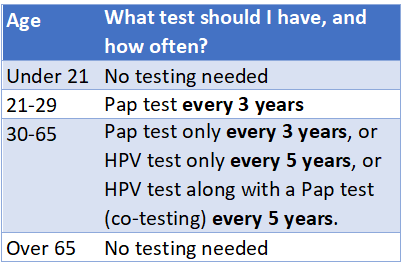
Here are the guidelines for cervical cancer screening:
Read this webpage to learn more about cervical cancer. Watch this video to learn more about Pap and HPV tests.
You can do a risk assessment for cervical cancer here.
Colorectal Cancer
Colorectal cancer is the 4th most commonly diagnosed cancer in the United States. Colorectal cancer is cancer of the colon (also known as the large intestine) and rectum.

Most colorectal cancers start as growths, or polyps, on the colon or rectum. Click here to learn more about colorectal cancer.
There are three different types of colorectal cancer screening tests that can catch the cancer at early stages:
- Stool-based tests visually assess stool (poop) for signs of colorectal cancer, such as blood.
- Visual tests look inside the colon and rectum for polyps. One of these visual tests is called a colonoscopy. Here is a website where you can learn more about colonoscopies.
- Blood based tests use a sample of blood to assess for colon cancer.
Adults ages 45-75 should get screened for colorectal cancer. The time between tests will depend on which test you take. If you do a colonoscopy, you only need to get screened once every 10 years.
Click here to learn more about colorectal cancer. Learn more about colorectal cancer screenings at this website.
You can do a risk assessment for colorectal cancer here.
Lung Cancer
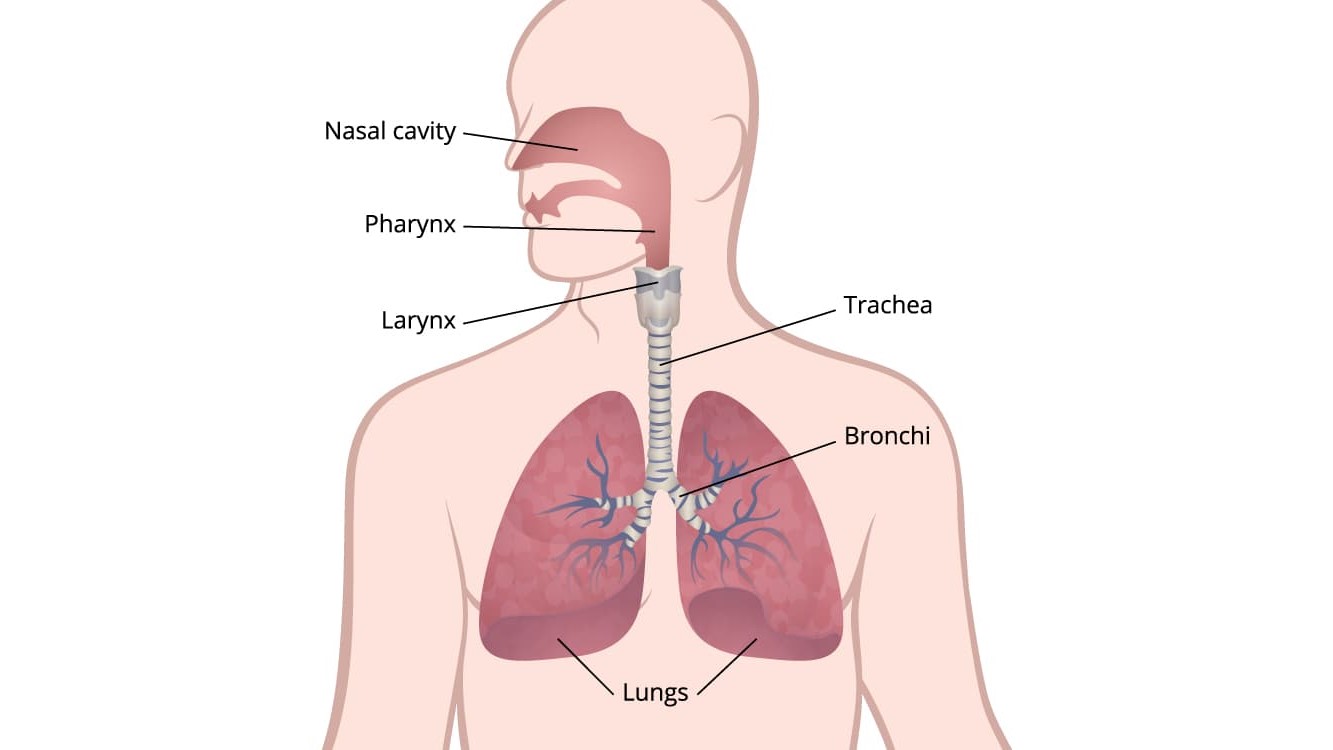
Lung cancer is cancer that begins in the lungs. It is the 3rd most common cancer diagnosis in the US and the leading cause of cancer deaths worldwide.
The biggest risk factor for lung cancer is smoking cigarettes, and smoking other tobacco products increases your risk as well. People who never smoked can also get lung cancer. Additional risk factors are exposure to radon gas and other substances. Learn more about risk factors here.
There is a screening test, called a low-dose CT scan (LDCT), that is used to detect lung cancer early. The screening is only recommended for men and women ages 50 to 80-years-old who are at a higher risk for lung cancer based on their smoking history. Click here to learn if screening is recommended and could benefit you.
The best way to prevent lung cancer is to never start smoking or to quit smoking.
More information about lung cancer is available here and here.
Skin Cancer
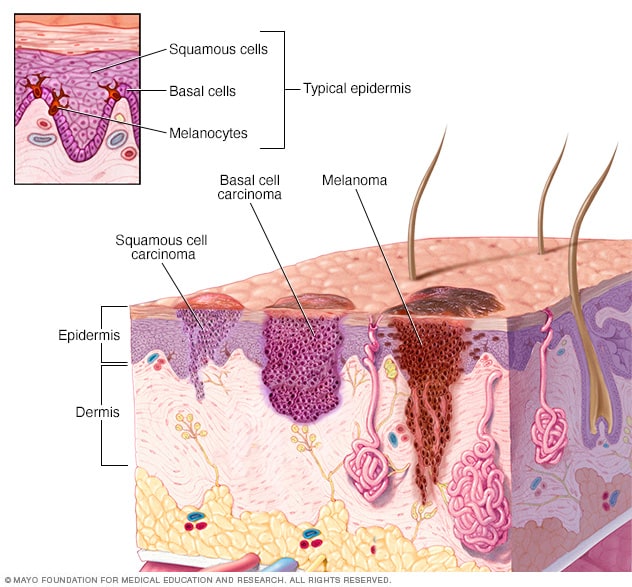
Skin cancer is cancer that begins in the outer layers of the skin, called the epidermis. It is the most common type of cancer in the US. There are many types of skin cancer, with squamous cell, basal cell, and melanoma being the most common types. Melanoma occurs less often, but is the type that is most likely to spread to other areas of the body.
The biggest risk factor is exposure to ultraviolet light from the sun or tanning beds. Most skin cancers occur on areas of the body that get a lot of sun, however, it can also occur on areas that don’t usually get sun. Take a risk assessment to learn more about your risk factors here.
It is important to check your skin regularly and talk to your doctor if you notice changes. Depending on the type of skin cancer, signs and symptoms can include a new growth or rough patch on the skin, changes to a mole, a sore that doesn’t heal, or other symptoms. Click here to learn about the A-B-C-D-E signs of melanoma.
Protecting your skin from the sun and avoiding indoor tanning can reduce your skin cancer risk. Learn more about prevention here.
Click here or here to learn more about skin cancer.
Endometrial Cancer
Endometrial cancer is cancer in the endometrium, the lining of the uterus. It is most common in women who have gone through menopause.
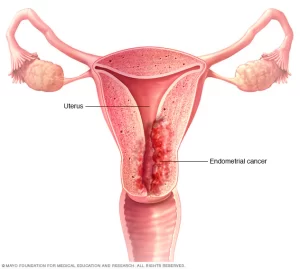
There is no routine screening for endometrial cancer.
Symptoms of endometrial cancer include abnormal vaginal bleeding (such as after menopause or between periods) and pelvic pain. Talk to your doctor if you are experiencing these symptoms.
Click here to read more about endometrial cancer, or here to watch a short video.
Ovarian Cancer
Ovarian cancer is cancer that begins in the ovaries or in the nearby fallopian tubes or peritoneum (the lining of the abdomen and pelvis). It typically affects women who are middle-aged or older. Take a risk assessment to learn more about your risk factors here.
Symptoms of ovarian cancer may be similar to other disorders and can include abdominal bloating, feeling full quickly during meals, pelvic area discomfort, a change in bowel or bladder habits, or other symptoms.
There is no routine screening test for ovarian cancer, so it is important to recognize if you are experiencing symptoms and talk to your doctor.